Brainspotting Therapy

What if healing could happen in ways that go beyond talking?

Brainspotting uses the visual field to help people connect with and process emotions, memories, and experiences that may be difficult to access through words alone.

It can be especially helpful when someone understands an experience intellectually but continues to feel stuck, overwhelmed, anxious, disconnected, or affected by something that happened in the past.
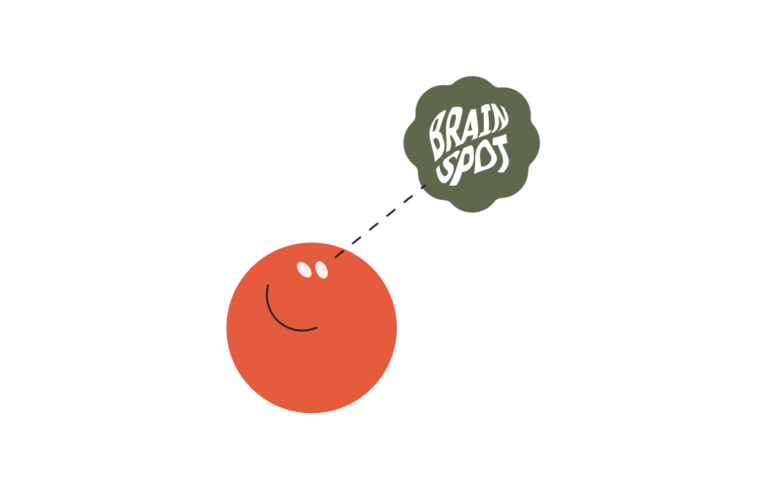
Brainspotting is based on the idea that where a person looks can influence what they experience internally. During a Brainspotting session, the therapist and client work together to identify a position in the client’s visual field—a “brainspot”—that appears connected to what the person is experiencing. The client is then invited to slow down, notice what is happening in the mind and body, and remain curious about the experience.
There is no need to force a memory, find the perfect words, or have a clear explanation for what is happening. The process is guided by the client’s own experience, with the therapist providing support, curiosity, and a safe therapeutic environment.

Brainspotting for Trauma, Anxiety, & Emotional Healing

Brainspotting can be incorporated into therapy to support people experiencing trauma, anxiety, grief, emotional overwhelm, difficult life experiences, and nervous-system dysregulation.
 

Our experiences can shape the ways the mind and body respond to stress, relationships, and perceived threats. Sometimes these responses continue long after a situation has ended. A person may intellectually know they are safe while their body continues to respond as though something is wrong.

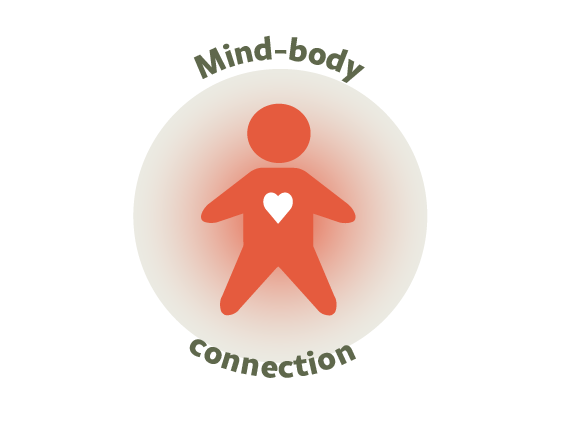
Brainspotting offers an opportunity to slow down and notice these responses rather than simply trying to think or talk them away. By bringing greater awareness to the connection between the mind and body, Brainspotting can support the process of understanding and working through experiences that may continue to affect daily life.

Brainspotting isn't Only About Healing What Hurts

Brainspotting can also be used to expand desired states and strengthen positive experiences. The approach is not limited to trauma or difficult emotions.

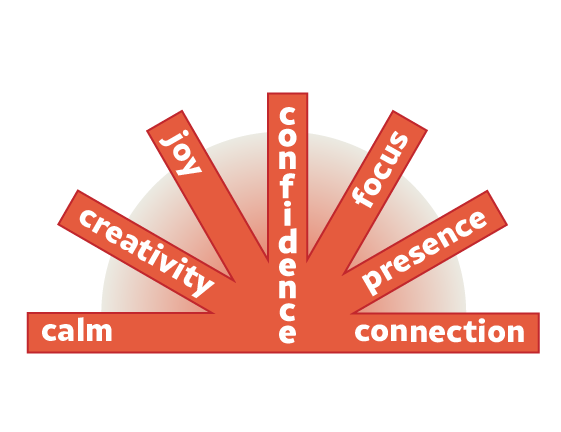
Brainspotting may be used to help people access and deepen experiences such as calm, confidence, focus, connection, joy, creativity, and a sense of being fully present. Rather than focusing exclusively on what feels difficult, the process can also explore what a person wants more of and help expand their capacity to experience those states.

This makes Brainspotting applicable not only to emotional healing but also to performance, creativity, confidence, focus, and personal growth. Athletes, performers, artists, professionals, and others may use approaches such as Brainspotting to explore blocks and enhance access to desired states or peak performance.
A Mind-and-Body Approach to Therapy

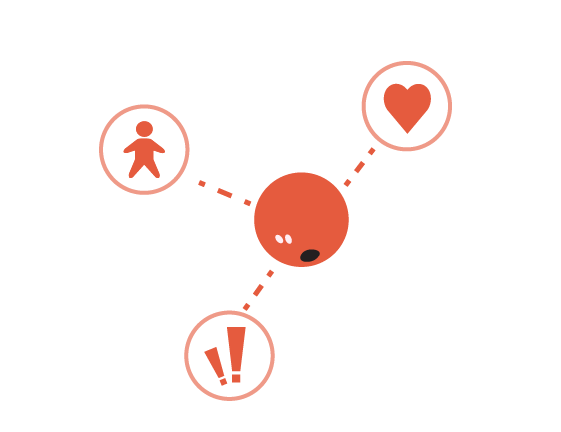
Brainspotting reflects a growing understanding that healing involves more than cognitive insight. A person can understand why something affects them and still experience strong emotional or physical responses.

By bringing attention to both internal experience and the visual field, Brainspotting provides another pathway for exploring what is happening beneath the surface.

The process is collaborative and client-centered. Rather than requiring a person to explain, analyze, or make sense of everything immediately, Brainspotting encourages curiosity about what is already happening within the mind and body.

Sometimes healing begins not with finding another answer, but with slowing down enough to notice what the mind and body are already communicating.
en_USEnglish