Parent Coaching Using Child-Parent Relationship Therapy (CPRT)
What if your child’s behavior isn’t just something to change, but something to understand?
Parenting can be exhausting—especially when you’ve tried everything you can think of and still find yourself dealing with the same arguments, meltdowns, power struggles, or disconnection.
Sometimes what a child needs most isn’t another consequence, reward, or behavior chart. They need to feel seen, understood, connected, and safe within their relationship with their parent.
Child-Parent Relationship Therapy (CPRT) is a parent-focused approach based in Child-Centered Play Therapy (CCPT) that helps parents develop skills for building a stronger, more connected relationship with their child.
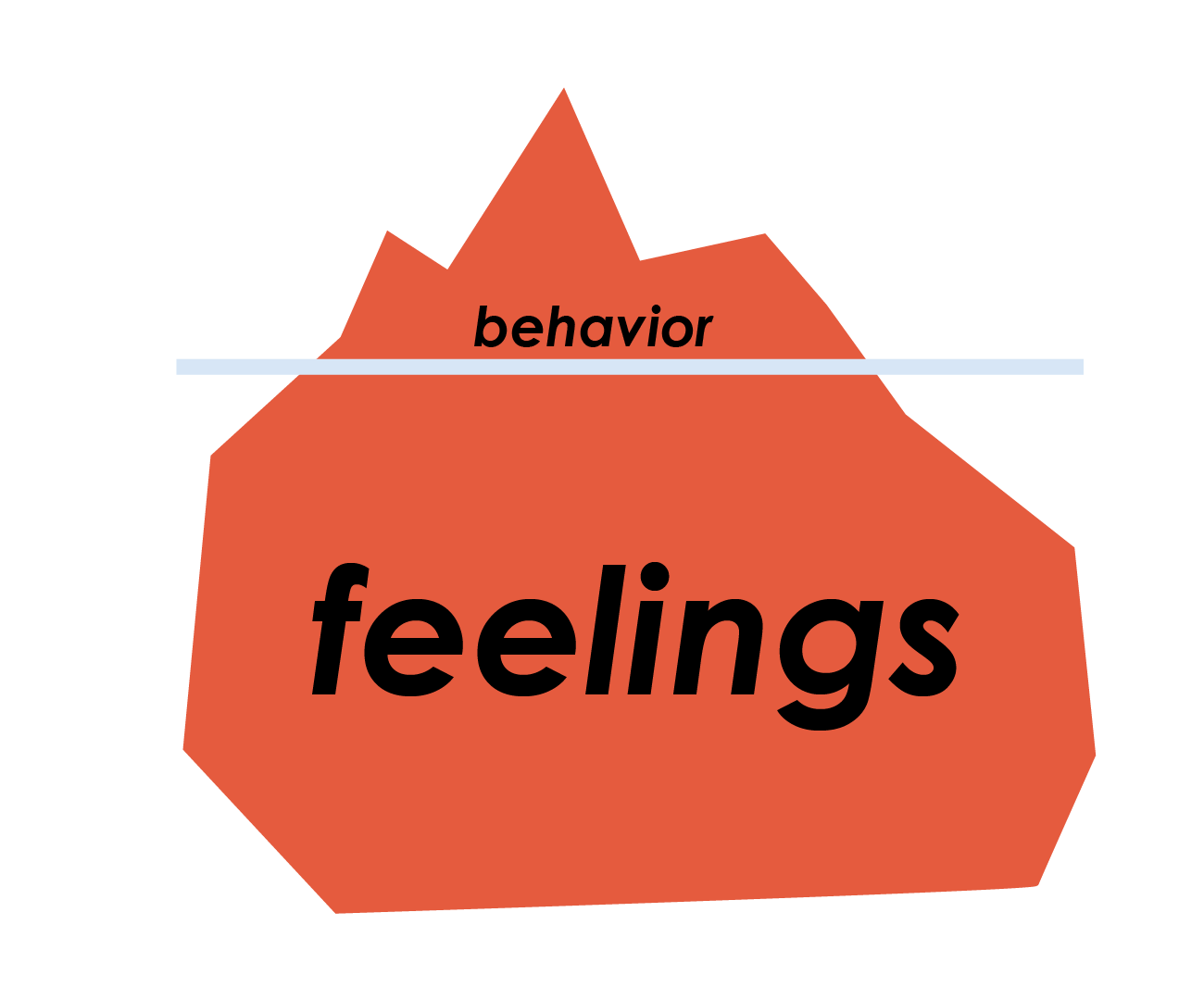
Rather than focusing only on changing a child’s behavior, CPRT helps parents understand what may be underneath the behavior and learn ways to respond that strengthen connection while still providing appropriate limits and structure.
Understanding What Your Child is Communicating
Children don’t always have the words to tell us what they are feeling or what they need.
Sometimes their feelings come out through behavior.
A child who is having frequent meltdowns may be overwhelmed. A child who argues about everything may be trying to find a sense of control. A child who seems withdrawn may be carrying feelings they don’t know how to express.
This doesn’t mean every behavior should be allowed or that limits aren’t important.
It means there may be more to the behavior than what we see on the surface.
CPRT helps parents become more curious about the question:
“What is my child trying to communicate through this behavior?”
Building Connection Through Play
Play is one of the primary ways children communicate and make sense of their world.
CPRT teaches parents specific skills for using play to strengthen their relationship with their child and create opportunities for the child to feel understood and accepted.
Parents learn how to enter their child’s world through play, follow the child’s lead, communicate understanding, and respond in ways that support emotional expression and connection.
These skills aren’t about becoming a “perfect” play parent.
They’re about creating small moments where a child experiences:
“My parent sees me.”
“My feelings are okay.”
“I can be myself here.”
“My parent is with me.”
Connection AND Limits
Being connected to your child doesn’t mean saying yes to everything.
Children need both connection and boundaries.
CPRT helps parents learn how to communicate limits while maintaining the relationship. Instead of responding only to the behavior, parents can learn to acknowledge the child’s feelings while still holding an appropriate boundary.
For example, a parent can communicate:
“You really wanted to keep playing, and you’re angry that playtime is over. It’s okay to be angry. Playtime is still finished.”
The child’s feelings are acknowledged without giving up the limit.
This creates an opportunity for children to experience both acceptance and structure.
Moving From Reaction to Response
Parenting can bring up our own emotions, especially when a child’s behavior pushes a familiar button.
You may find yourself thinking:
“I’ve told you this ten times.”
“Why won’t you listen?”
“I can’t do this anymore.”
These moments don’t mean you’re a bad parent. They mean you’re human.
Parent coaching can provide space to slow down and become more aware of what happens for both you and your child during difficult interactions.
Understanding your own triggers and responses can make it easier to pause, regulate, and choose how you want to respond rather than reacting automatically.
Parent Coaching is Not About Being a Perfect Parent
There is no such thing as a perfect parent.
Children don’t need parents who respond perfectly every time. They need parents who are willing to repair, reconnect, learn, and keep showing up.
CPRT provides practical skills that can be practiced between sessions and adapted to the unique needs of each family.
The goal isn’t to eliminate every difficult behavior or make parenting easy all the time.
It’s to help parents feel more confident in understanding their child, responding to challenging moments, and building a relationship where both the parent and child can feel connected.