Mindfulness

What if you could slow down enough to notice what is happening within you—without immediately needing to fix it?

Most of us spend a lot of time thinking about what happened yesterday or worrying about what might happen tomorrow. Sometimes our minds are so busy that we don’t even notice what is happening in the present moment.
Mindfulness offers a way to slow things down.

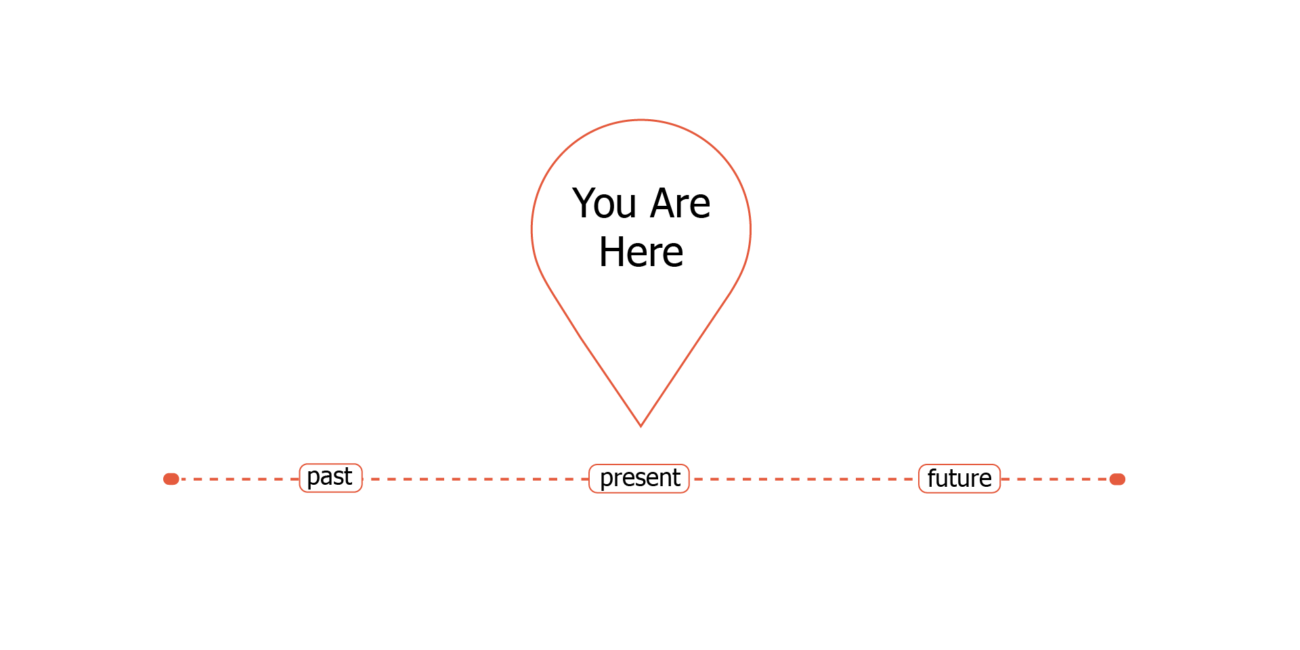
Mindfulness is the practice of intentionally paying attention to what is happening right now—with curiosity and without judgment. This can include noticing your thoughts, emotions, physical sensations, surroundings, and the ways your body responds to what you’re experiencing.

It isn’t about emptying your mind or making uncomfortable thoughts disappear. It’s about learning to notice what is happening without automatically getting pulled into it.

Learning to Notice Instead of React

Have you ever had a strong emotional reaction and only afterward thought, “Why did I react that way?”

Mindfulness can help create a little more space between what happens and how you respond.

You might begin to notice:

“My shoulders are really tense.
“I’m starting to feel overwhelmed.”
“I’m having the thought that I’m not good enough.”
“I want to send this text right now, but I’m really angry.”
That moment of noticing can be powerful. Instead of automatically reacting, there is an opportunity to pause and choose what comes next.

Mindfulness and the Nervous System

When we’re stressed or overwhelmed, our bodies can move into protective states before we have consciously recognized what is happening. Our heart may race, our muscles may tighten, our breathing may change, or we may feel the urge to fight, run, shut down, or disconnect.

Mindfulness can help develop greater awareness of these signals.

By learning to notice what is happening in the body, thoughts, and emotions, it can become easier to recognize when stress is building and respond before reaching a point of feeling completely overwhelmed.
Mindfulness isn’t about forcing yourself to calm down. Sometimes the first step is simply noticing, “This is what is happening for me right now.”

Mindfulness Isn't About Doing it Perfectly

One of the most common misconceptions about mindfulness is that you have to sit quietly and meditate with a completely empty mind.

You don’t.

Your mind will wander. You’ll get distracted. You’ll become frustrated. You’ll think about your to-do list. You’ll remember something from three years ago. That’s being human.

Mindfulness is simply the practice of noticing that you’ve wandered and gently bringing your attention back.

That same practice can happen while you’re walking, eating, talking with someone, driving, taking a shower, or sitting quietly for a few minutes.

Mindfulness and Emotional Awareness

Sometimes we move through our days without really checking in with ourselves.

We may know that we’re irritated but not realize we’re actually hurt. We may say we’re fine while our body is telling us otherwise. We may keep pushing through exhaustion because we’ve become accustomed to ignoring what we need.


Mindfulness creates an opportunity to pause and ask:
What am I feeling?
What am I noticing in my body?
What do I need right now?

With practice, this awareness can help create a stronger connection between thoughts, emotions, physical sensations, and behaviors.

Bringing Mindfulness Into Everyday Life

Mindfulness doesn’t have to be another thing on your list of things to do.

It can be as simple as taking one breath before responding to a difficult conversation, noticing your feet on the ground when you feel anxious, paying attention while someone is talking instead of planning your response, or recognizing when your inner critic has become especially loud.

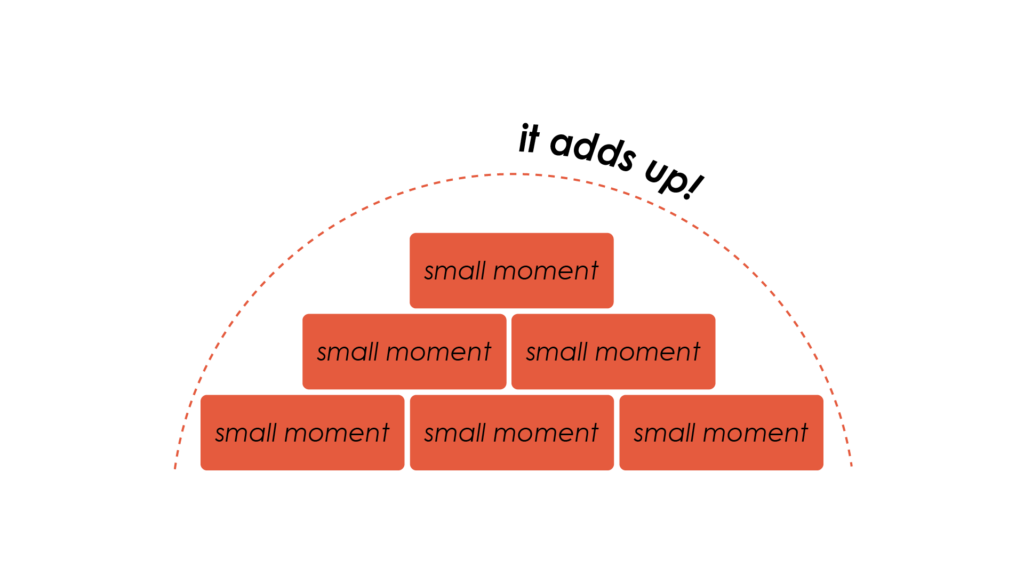
These small moments of awareness can add up.


Mindfulness can support stress management, emotional regulation, anxiety, self-awareness, relationships, nervous system regulation, and greater connection with yourself and the people around you.

Making Space for Yourself

Mindfulness isn’t about becoming a different person or learning how to never feel anxious, angry, sad, or overwhelmed.
It’s about learning how to be with yourself through those experiences.
Sometimes the most important step isn’t changing what you’re feeling. It’s creating enough space to notice what you’re feeling without judging yourself for it.

You don’t have to figure everything out in the moment. Sometimes you simply need to pause, breathe, notice, and give yourself permission to be where you are.

en_USEnglish