Excessive Worrying (AKA: Anxiety)
Finding it challenging to stop worrying?
Is your mind racing at night, keeping you up way past the time you wish you were already sleeping? Do you use worry as a way to prevent the thing about which you worry from happening (“As long as I’m worrying about it, it won’t happen.” Or “If I don’t worry about it, I won’t be prepared to deal with the issue when it happens”)?
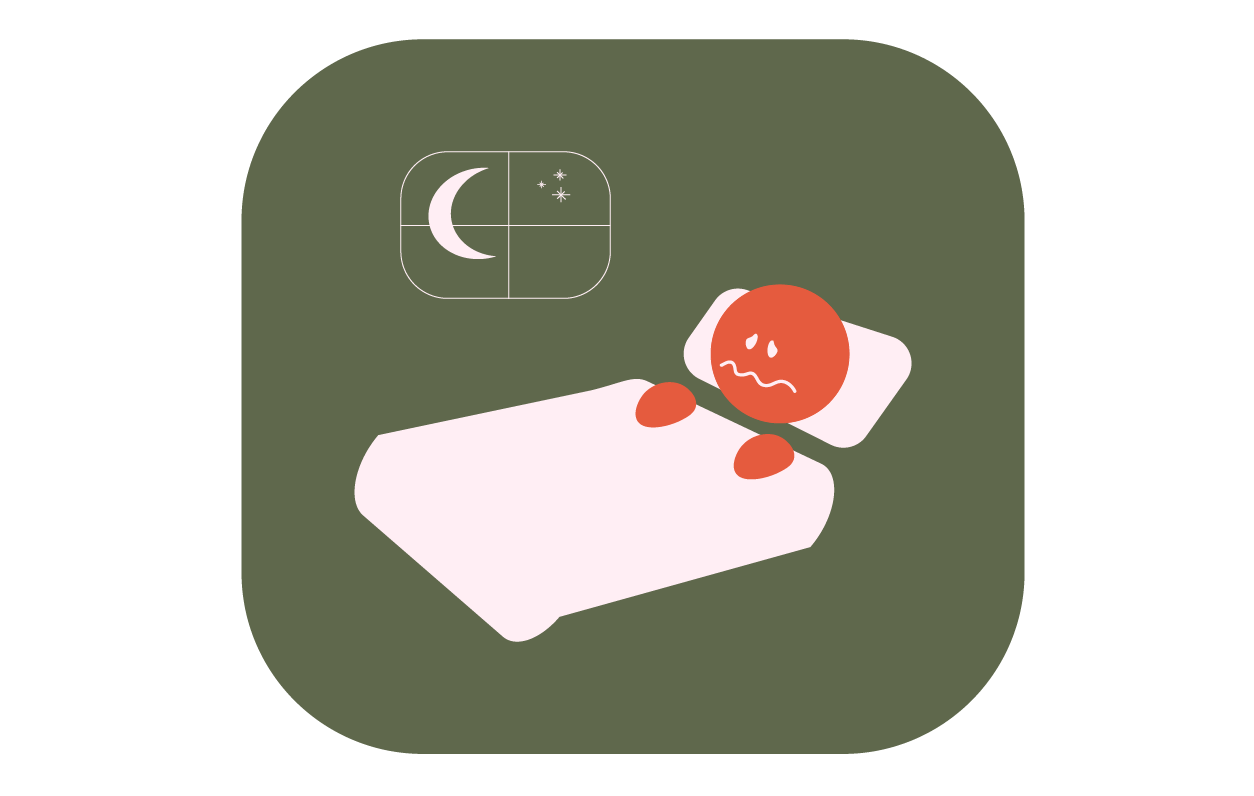
Do you ever experience a sudden increase in heart rate (aka: racing heart beat)? Do you find yourself experiencing a shortness of breath at unexpected times? Are you experiencing trouble swallowing without something to drink–like your throat is closing on you? Is your stomach in knots? Does your back ache without any real explanation? Having trouble eating because you’re just not hungry? Or do you find yourself binge eating?
If you are experiencing any combination of the above symptoms, you could be experiencing anxiety.
We at Stone Labyrinth Counseling & Wellness, PLLC can help you better understand what triggers anxiety, and we can help you manage to reduce the severity of these experiences, ultimately allowing you to live a more peaceful, comfortable, healthy, and happy life.
What is Anxiety?
Let’s first dismiss the common misunderstanding that “anxiety” is an emotion or a mental illness. In fact, it is neither. A distinction exists between “anxiety” and what is known as “General Anxiety Disorder” (GAD).
Anxiety is a body-felt experience. In other words, anxiety is a message sent from our body to our brain. That message typically signals to the brain that something is “out of line”–a threat has been detected. That “something” can be intrinsic (inside of ourselves) or extrinsic (outside of ourselves and in our surrounding environment).
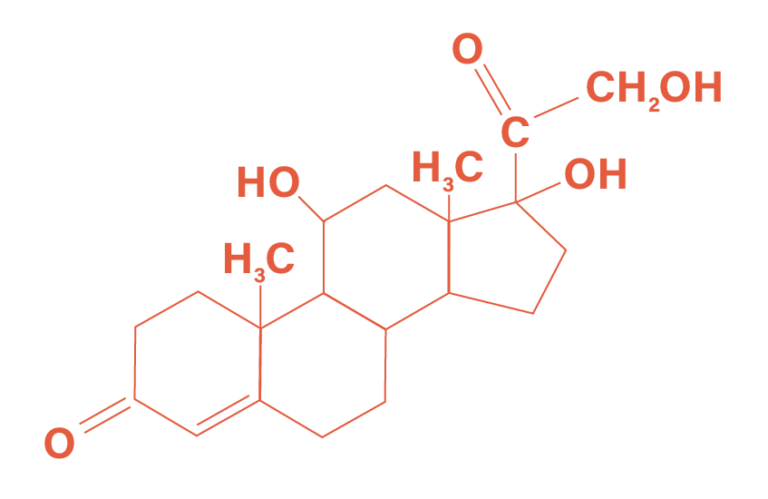
When misunderstood or left unmanaged, this message can trigger thoughts in our brains, which then release a hormone called cortisol. Cortisol is often referred to as the “stress hormone.” When released, it employs our sympathetic nervous system, which is in control of our fight or flight response–our body’s way of preparing to protect itself against a serious threat. This is all very natural and healthy when warranted.
One way to think about our natural anxiety is to envision a bowling alley with the gutter guards up. With the guards up, we can throw the bowling ball confidently, knowing that we will not throw a gutterball, immediately increasing the likelihood that we will knock down pins and score points. Like the gutter guards redirect our bowling ball toward the center of the lane, natural levels of anxiety alert us to the fact that something is bumping out of place.
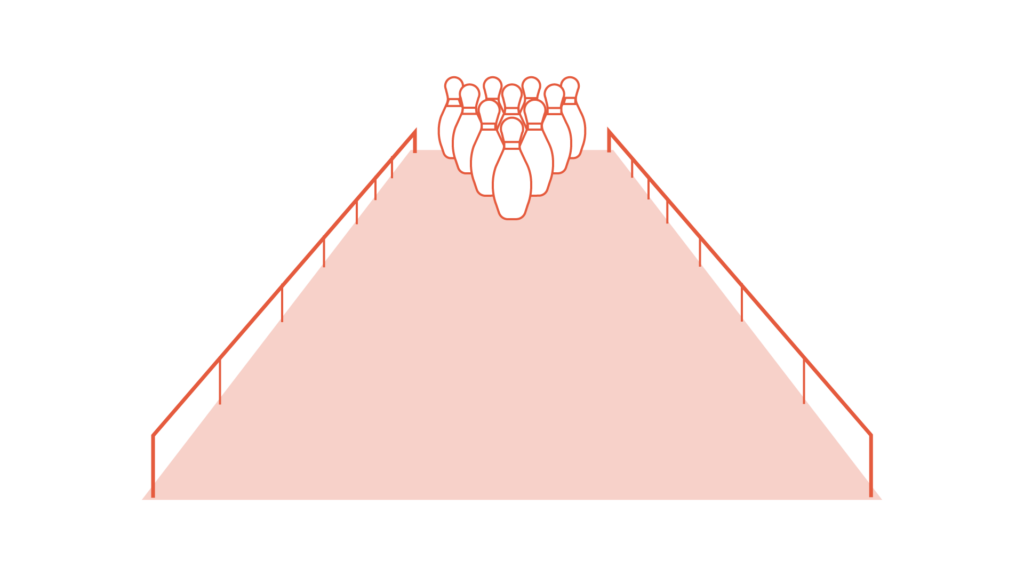
When we exist in fight or flight mode more often than not, and/or when it’s not warranted, we may have graduated to what is then identified as General Anxiety Disorder (GAD).
- In other words, when a professional bowler, who very rarely throws a gutter ball, suddenly feels the need to have the gutter guards up every time they bowl, we can conclude that something is off–“out of line.”
FAQs: Basics
Is anxiety an emotion?
As explained above, anxiety on its own is a natural body-felt experience, when misunderstood and/or left unmanaged, can lead to the release of high levels of Cortisol, the “stress hormone,” causing an eruption of disturbing thoughts and uncomfortable emotions.
Why do I constantly worry about everything?
- Good question! It’s important to understand that our brain, on average, has approximately 75,000 thoughts a day. Furthermore, most of those thoughts are negative and/or pointless because the majority of those thoughts are rooted in the past or the future–two places where we have no power, influence, or control. Naturally, we don’t have the ability to undo or change the past–it’s uncontrollable. Likewise, we don’t have the ability to control the future. It doesn’t exist–at best, it’s a fictional creation of the mind.
- So, here is what tends to happen in our minds: we experience something in the present moment–an invitation to take a road trip with a friend, for example. To make meaning out of the present moment circumstance, our brain naturally seeks a similar context. So where does it go to find context? The past. And let’s just say that as a child, while on a family road trip, you were in a car accident. It could even be that you once watched a movie in which someone was carjacked while on a roadtrip. Generally speaking, you have some past experience (direct or indirect) of hardship being connected to taking a roadtrip. With this context in mind, you naturally begin to worry–plan against some catastrophic end to the road trip your friend just invited you to take. In short, the present moment is great–your friend just invited you to take a roadtrip with them. But your mind jumps into the past and picks up some negative context as it relates to roadtrips. Consequently, your mind then catapults itself out into the future in an effort to protect you and your friend against some similar hardship–a catastrophic creation of a fictional future. When we lose a hold on the present moment and drop anchor in the future, the tendency is chronic worrying. Chronic worrying can be described as “worshiping the problem” or “overthinking the worst-case scenario.”
- The good news is that it takes the same amount of time and energy to ground oneself in the present moment and plan for the best-case scenario. We at Stone Labyrinth Counseling & Wellness can help you better equip yourself to invest your time and energy in the present moment–where all of your power, agency, and control exists.
Where does anxiety come from?
Please read the answers to the previous questions, especially “What is anxiety?”
Does anxiety cause depression?
- Anxiety does not necessarily cause depression. However, when left untreated/unmanaged, an anxiety disorder can graduate to a depressed mood, and even Major Depressive Disorder. Consider the following evolution of things:
- Stress–Wanting the present moment to be something other than it is. When we can exercise acceptance of the present movement circumstances, we can reduce our stress levels all by ourselves.
- Anxiety–When stress goes unmanaged, it can graduate into anxiety–a desire to control that which is uncontrollable. For example, if I want my current circumstances to be different, but I don’t have the ability to actually change them (e.g.: I’m running late for work, and now I’m stuck at a railroad crossing where a train is literally stopped on the track, blocking the road), clearly, this would be stressful. But just as clearly, I am unable to control the train. When left unaccepted, this circumstance could lead to an onslaught of undesirable thoughts (e.g.: “I’m going to get fired”; “I won’t be able to pay my bills”; “My spouse could leave me”; “Oh my gosh! If this train doesn’t get moving right now, I’m going to be divorced and homeless.”) and subsequent emotions (e.g.: fear, feelings of inadequacy, shame). This mindset and emotional state of being can trigger our brain to detect a serious threat, which could lead to the sudden release of high levels of cortisol and elevated feelings of anxiety.
FAQs: Next Steps
How do I know if I have an anxiety disorder?
- General Anxiety Disorder (GAD) is commonly associated with excessive, or unwarranted, undue worrying about everyday, ordinary circumstances. The persistent elevated levels of anxiety/worry can lead to intrusive thoughts and/or functional impairment across multiple facets of one’s life–relationships, employment, finances, sleep, diet, overall health and wellbeing.
- If the above description sounds familiar to you, please reach out to us for help. We at Stone Labyrinth Counseling & Wellness are equipped to identify General Anxiety Disorder. Furthermore, we are prepared to support those who may be suffering from it.
How do I overcome my anxiety?
- Rather than working to “overcome” anxiety, we at Stone Labyrinth Counseling & Wellness would encourage you to work at developing a better understanding of anxiety, in general. Anxiety does not have to be an enemy to defeat. In fact, something we often encourage our clients to understand is that “resistance tends to lead to persistence.” That said, our work is to help you better understand how to recognize and befriend your natural anxiety, so that it doesn’t lead to that sudden uptick in Cortisol, which can trigger the symptoms often associated with General Anxiety Disorder (GAD).
- One way to think about this is to consider what you would do if you looked up into the sky and spotted a cloud in the shape of your greatest fear. Upon first glance, you may experience a jolt of fear. However, before too long, you would likely conclude that the best thing to do is recognize that the cloud is, in fact, harmless; therefore, when left to its natural course, it will fairly quickly reshape itself into something entirely different. It may even dissipate altogether, opening up a beautiful blue sky. That cloud that once was never warranted that initial jolt of fear that ran through you. Managing our anxiety can be just like this.
Is anxiety treatable?
- Yes! Anxiety is a very common experience. In fact, we all have anxiety built into our bodies. It is actually a necessary “tool.” Learning how to interact with any “tool” is helpful. Think about it, if someone were to hand you a screwdriver, but you didn’t know what it was or how to use it, chances are pretty good things could go wrong–the nail wouldn’t get effectively pounded into place, and the picture would fall off the wall.
- Now, sometimes our natural levels of anxiety can be thrust into overdrive by our thoughts. When this happens continuously, and at elevated levels, our anxiety can really start to be an obstacle to our ability to live life peacefully and effectively. At this point, we may be experiencing a General Anxiety Disorder (GAD). Fear not, GAD can also be treated. We at Stone Labyrinth Counseling & Wellness work with many people suffering from Anxiety. Please reach out; we can help!
 English