Internal Family Systems (IFS) Therapy
Have you ever felt like different parts of you want different things?
Maybe one part of you wants to speak up, while another is afraid of what might happen if you do. Maybe you know you need to slow down, but another part keeps you busy. You might have a part that is constantly criticizing you, while another part feels hurt, exhausted, or simply wants to be cared for.

If you’ve ever thought, “Why do I keep doing this when I know better?” or “Why can’t I just get out of my own way?”—IFS can offer a different way of looking at those experiences.
Internal Family Systems (IFS) is a therapy approach that explores the different parts of ourselves that show up in our thoughts, emotions, behaviors, and relationships. Rather than seeing these parts as something wrong with us, IFS helps us become curious about them and understand why they are there.
We All Have Parts:
Having different parts is a normal part of being human.
You might have a people-pleasing part that works hard to keep everyone happy. Perhaps it’s a perfectionist part that believes everything needs to be done just right. Do you have a worried part that constantly looks for what could go wrong, or a critical part that thinks being hard on yourself will keep you from making mistakes?
You might also have a part that feels young, hurt, lonely, ashamed, angry, or afraid.
These parts aren’t necessarily trying to make your life difficult. In many cases, they learned a long time ago that they needed to protect you in some way.
What if Your "Problem" Part is Actually Trying to Help?
This is one of the shifts IFS can offer.
Instead of asking, “How do I get rid of this part of me?” we might begin asking:
“What is this part trying to do for me?”
“What is it afraid would happen if it stopped?”
“When did it learn that it needed to protect me this way?”
For example, a part that pushes you to be perfect may actually be trying to protect you from criticism or rejection. A part that avoids difficult conversations may be trying to protect you from conflict. A part that stays in control may have learned that letting your guard down wasn’t safe.
When we can understand where these patterns came from, it becomes easier to have compassion for ourselves instead of continuing the cycle of shame and self-criticism.
The Protective Parts:
IFS often talks about managers, firefighters, and exiles to describe different roles our parts can take on.
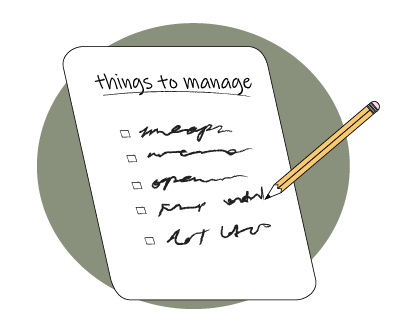
Managers work hard to keep life under control and prevent painful things from happening. They might show up as perfectionism, overthinking, people-pleasing, staying busy, or being highly responsible.
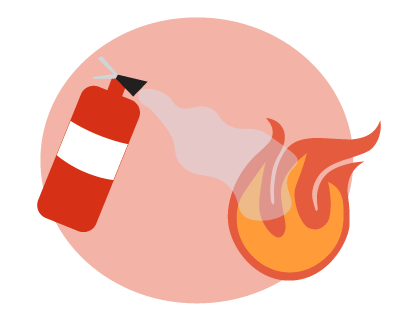
Firefighters tend to jump in when emotions become too intense. They are focused on helping us feel better right now, sometimes through avoidance, anger, shutting down, distraction, or other ways of getting away from emotional pain.
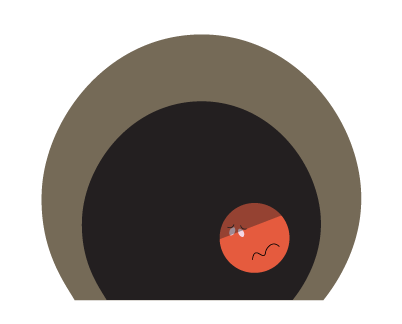
Exiles are the more vulnerable parts of us that may carry hurt, fear, shame, loneliness, or painful experiences from the past.
The important thing to understand is that these parts developed for a reason. Even when their strategies aren’t helpful anymore, they may still believe they are protecting you.
You Are More Than Your Parts
IFS also introduces the idea of Self—the part of you that can step back from the struggle and approach what you’re experiencing with curiosity and compassion.
You may have noticed moments when you can say, “A part of me is really scared right now,” rather than “I am scared, and I can’t handle this.”
That small shift can create some breathing room.
The goal isn’t to get rid of the anxious part, the angry part, the critical part, or any other part. Instead, IFS helps you develop a different relationship with those parts—to listen to them, understand what they need, and help them feel less alone in carrying their burdens.
IFS and Healing From Difficult Experiences
Our life experiences shape us. Sometimes we develop ways of coping that helped us get through something difficult but don’t necessarily fit our lives today.
Maybe you learned to stay small so you wouldn’t upset anyone. Maybe you learned that being independent was safer than relying on others. Maybe you became really good at taking care of everyone else while ignoring what you needed.
IFS can help you look at these patterns with compassion rather than judgment.
The question becomes less about “What’s wrong with me?” and more about “What happened to me, what did I learn from it, and how are those lessons still showing up in my life today?”
Making More Peace With Yourself
Healing doesn’t necessarily mean that you’ll never feel anxious, angry, overwhelmed, or afraid again. It may mean becoming better able to understand those experiences without being completely taken over by them.
IFS creates space for the different parts of you to be heard while helping you reconnect with a deeper sense of compassion, clarity, confidence, and connection.