Emotional Overwhelm
Let’s be honest, it can be challenging to keep up with the pace of our society today! With phones and computers that allow us instant access to any and all information across the globe and beyond, it’s pretty easy to become completely overwhelmed by our thoughts and emotions.
Just like an overflowing cup, emotional overwhelm happens when we experience conflicting thoughts/emotions, a sudden influx of thoughts/emotions all at once, and/or feeling an inability to act based on your gut instincts. In this state, we can feel completely “out of line,” “off course,” “in my head,” “not centered,” or even “powerless” (to name a few).
Let’s also remember that experiencing thoughts and emotions is completely natural for us as human beings. We are complex characters with a huge capacity to think and a seemingly endless depth of emotions. Our emotions function with a specific purpose–to communicate to us. That being said, ignoring our emotions or burying them beneath the surface will not make them go away. In fact, doing this is similar to planting a seed–they will grow larger and root themselves deeper, causing even more discomfort.
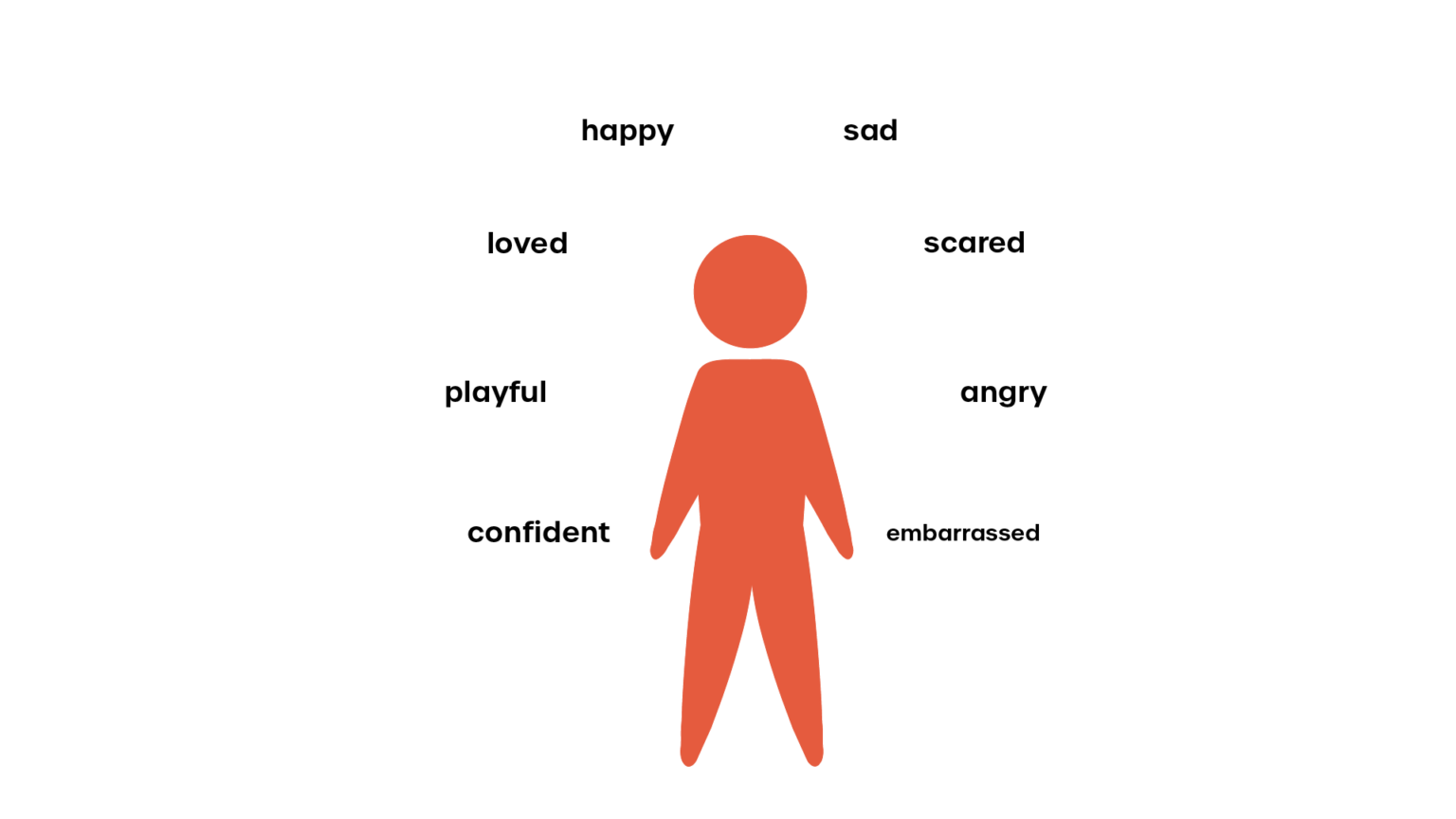
Left unattended/untreated, emotional overwhelm has the ability to bloom into a full blown mental illness: Generalized Anxiety Disorder (GAD), Major Depressive Disorder (MDD), Obsessive Compulsive Disorder (OCD)–just to name a few.
We at Stone Labyrinth Counseling & Wellness are prepared to help you bring those emotions to the surface safely and more comfortably. Furthermore, we are here to help support you in processing all of those emotions, helping you regain and maintain a healthier mindset and emotional state of being.
FAQs: Basics
Is there a difference between being stressed out and emotionally overwhelmed?
- Yes! Although being stressed out and feeling overwhelmed often go hand in hand, a difference does exist. It’s possible to be stressed out without feeling completely overwhelmed. That said, it’s hard to feel overwhelmed without also feeling enormous stress.
- Stress: Stress can be defined simply as wanting the present moment circumstances to be different.
- For example: Getting stuck at a railroad crossing while already running late for work can be stressful. You wish the train wasn’t blocking your way to getting to work, but you understand that this happens from time to time. Worst case scenario, you use the time stopped at the tracks to call your supervisor to let them know that you may be a few minutes late due to the train. You don’t like it, but you can ultimately reason that this is not the end of the world.
- Emotional Overwhelm: Being emotionally overwhelmed comes along with a biological shift in one’s brain. When feeling overwhelmed, the amygdala (fight or flight epicenter) goes into overdrive, which floods the body with cortisol (aka: the “stress hormone”). In other words, when one is emotionally overwhelmed, the brain sends signals to the body to prepare for a fight–to protect itself against some serious threat. With the amygdala in high gear, the prefrontal cortex (rational decision-making epicenter) downshifts and yields to the amygdala. With the amygdala driving, and the prefrontal cortex in the trunk, it is next to impossible for the brain to think logically about what’s actually going on. The amygdala knows only one speed–preserve life at all costs (aka: fight or flight).
Does naming my emotions help me feel better?
- Yes, absolutely! Part of what is so disturbing about emotional overwhelm is the inability to identify what we’re actually feeling. Because we are experiencing so many thoughts and emotions simultaneously, identifying any single thought or emotion seems impossible–overwhelming.
- One way to think about how naming emotions can be helpful is to think about going to a haunted house. What makes a haunted house so scary? Typically, it’s the lack of context or knowledge of where everything is. For example, you know the chainsaw guy is in there, but you don’t know where, when, or how many of them will jump out and throttle the loud engine of the saw. Now, if we had a map of the haunted house, and we were able to study it prior to entering, our knowledge of what’s in there and where it’s located immediately reduces the “scariness” of the event. In fact, knowing what’s about to happen, and recognizing that it’s all fake and meant for entertainment, not only has the potential to reduce the fear factor, but it just may help elevate the fun factor of the haunted house. Naming our emotions is similar. Knowing what we’re feeling, and being able to identify where it’s coming from empowers us, reducing the power and impact the mystery emotion otherwise has over us.
What is "grounding" and how does it help me feel better?
- Generally speaking, “grounding” is a technique used to anchor ourselves to the present moment. The present moment is the only place we have any power, agency, or control, so being firmly grounded in the present moment is a good thing. It leaves us feeling more empowered, comfortable, confident, and ultimately at peace.
- Conversely, when left to its own devices, the brain will generate approximately 70,000 thoughts per day–most of which are negative and/or pointless. When left in a default state, the brain will naturally jump back and forth from the past to the future–two places in which we have no power, agency, or control. When our thoughts are in the past or future, we are essentially powerless, so these types of thoughts tend to leave us feeling helpless, defeated, worried, anxious, and the like. We don’t have the power to undo or change the past. Likewise, we don’t have the power to make something real in the future–not right now anyway. The future isn’t here yet; therefore, anything in the future is merely a figment of our imagination. That’s not to say that we don’t have the ability to plan for a future that we would like to create. We do have that ability, but only in the present moment do we have that power. So, again, how do we get ourselves in line with the present moment, so we can enact all of our power and potential? Grounding can be a great help with that. We at Stone Labyrinth Counseling & Wellness are prepared to help you develop and practice grounding. Reach out to schedule an appointment today, and empower yourself to create the life that you want and deserve to live for yourself!
Where can I find help when I'm overwhelmed?
- We at Stone Labyrinth Counseling & Wellness are located in downtown Antioch. We provide in-person and virtual counseling sessions six days a week. We have flexible scheduling–morning, afternoon, evening, and weekends. Reach out to us to schedule an appointment. We are here to help!
FAQs: Techniques
How do I regulate my emotions when I'm feeling out of control?
- We at Stone Labyrinth Counseling & Wellness can help you grow your knowledge and understanding of a variety of healthy coping strategies. See the list below to see some of the most common work that we do with our clients:
- Prioritizing self-care
- Naming your emotions
- Writing or Journaling
- Grounding techniques
- Relaxation strategies
- Breathing techniques
- Meditation practices
- Metacognition strategies
Does writing or journaling about my feelings help?
- Yes! Writing about our emotions (aka: journaling) is a wonderful technique. The beauty of journaling is that it doesn’t have to make any sense. We are not writing for a specific audience; rather, we are simply pouring out what is overwhelming. With the overload of thoughts and emotions poured out, we create space for the prefrontal cortex to come back on line, so that we can once again begin to reason–think clearly about our present circumstances. Journaling is a great way to help ourselves begin naming emotions.
How do I prioritize self care?
- What a great question! We at Stone Labyrinth Counseling & Wellness believe that the pyramid of care begins with self-care. This is Pillar #1 of our work (if you know, you know!). The key to prioritizing self-care begins with an unwavering belief that you are of great worth and value–certainly something worth investing in. Regardless if you are an investor or not, generally speaking, we all understand that it is wise to invest in something that carries value, especially when that value has a likelihood to appreciate or grow over time. That being said, self-care is an investment in oneself.
How do I relax when I'm feeling overwhelmed?
- The easiest way to relax is to do so prior to elevating to a state of emotional overwhelm. Relaxation, like many things in life, can be unique to the individual. For example, some people relax by sitting quietly with a book, while others relax by exercising. Some people find daily meditation helpful, and others feel most relaxed when hanging out with friends. Either way, we at Stone Labyrinth Counseling & Wellness are prepared to help you better understand what brand of relaxation works best for you, and moreover, we would love the opportunity to support you in creating a daily consistent relaxation practice, so the idea of emotional overwhelm can become something of your past.
Does meditation help when I'm feeling overwhelmed?
- Yes! Meditation is a great antidote to feelings of overwhelm. Now, for anyone who may think that meditation is intimidating or too much, please consider the fact that meditation is really just a fancy word for establishing a singular focus. The following everyday tasks, which often feel mundane, boring, and/or mindless, can become great opportunities for meditation–singular focus:
- Brushing your teeth–do so with your off hand.
- Washing your hands–feel the bubbles on your skin.
- Taking a bite of food–set down your utensil until you swallow.
- Listen to music–ID the sound/note of just one instrument.
- Take a walk–feel the changing texture of the ground.
- Sit still outside–feel the breeze on your face.
- Sit still outside–listen to the sounds of the birds chirping.
- Cut fruit/vegetables–just cut the fruit/vegetables.
- Breathe through your nose only–feel the cool air on the inhale and the warm air on the exhale.
- Be patient with your phone–take a mindful breath, in through your nose and out through your nose before opening your phone.
- Yes! Meditation is a great antidote to feelings of overwhelm. Now, for anyone who may think that meditation is intimidating or too much, please consider the fact that meditation is really just a fancy word for establishing a singular focus. The following everyday tasks, which often feel mundane, boring, and/or mindless, can become great opportunities for meditation–singular focus:
What are some relaxing breathing techniques?
- An abundance of research exists on the tremendous benefits of breath work. Please peruse the following articles to learn more about the powerful and helpful technique of simply breathing:
 English